
Surface joint work
Regrouting or renewing silicone may be considered when the problem is limited to an appropriate surface joint. It is not a guaranteed solution for deeper wet-area failure.
Leaking shower repair Brisbane
Leaking shower repair starts with recurring dampness, a suspected wet-area failure or other shower leak signs. A damp wall, cracked joint or water mark does not always identify the entry point, so the visible damage, shower condition and possible water paths are reviewed before choosing a targeted repair or broader wet-area rebuild.
Greater Brisbane enquiries, including Petrie Terrace and surrounding Inner Brisbane suburbs. Include your suburb so availability can be confirmed.

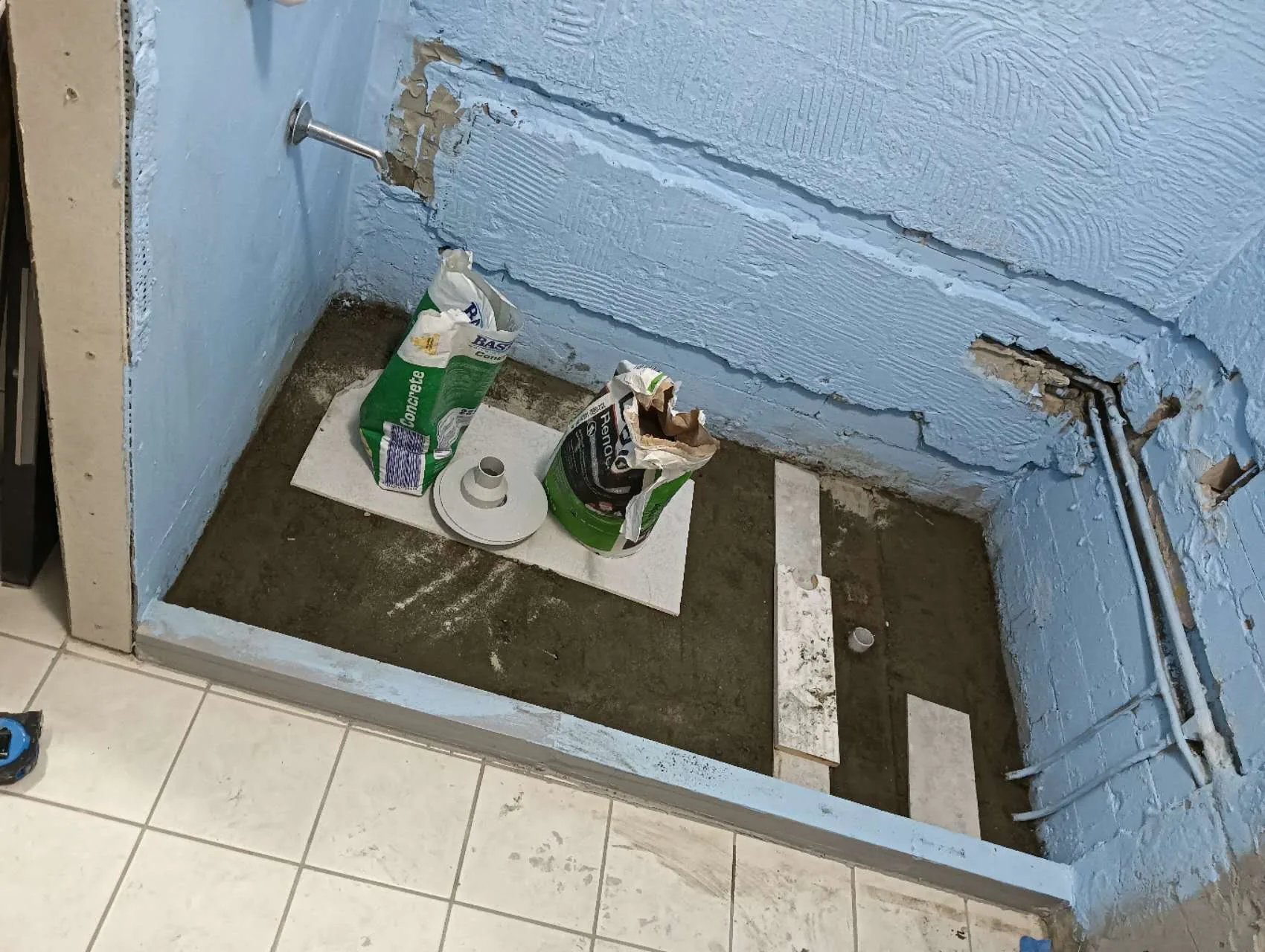
Recent Mel One work · In progress
See the removed wall tiles, exposed pipe routes, opened wall framing and surface preparation views. For an enquiry, include the whole shower, lower wall junctions, drain position and visible damage so the scope can consider a local repair or wider strip-out.
View all six construction photosShower base repair
The fractured shower base beside the waste is shown before repair and again after the surface and perimeter seal were renewed.
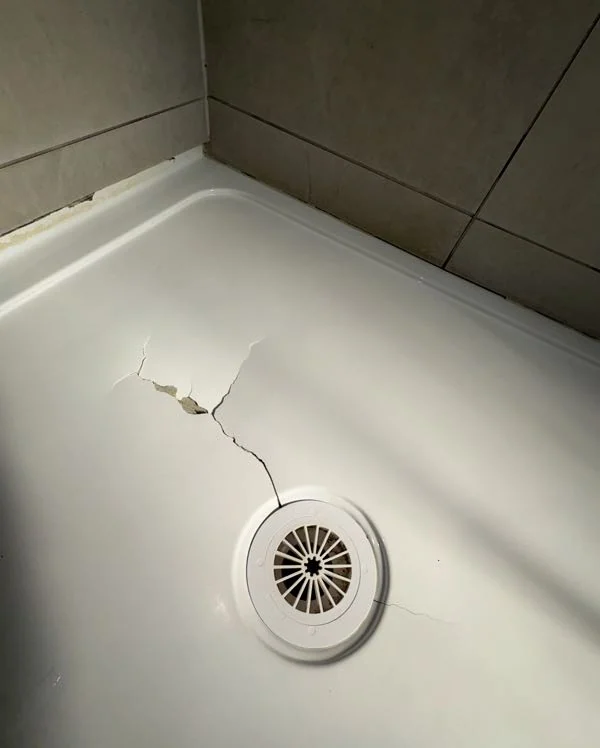 Before
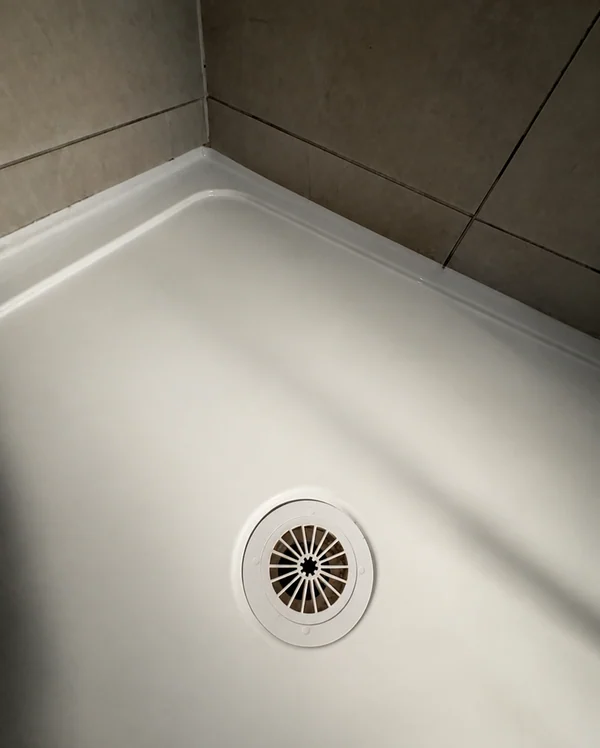 After
Bathroom silicone renewal
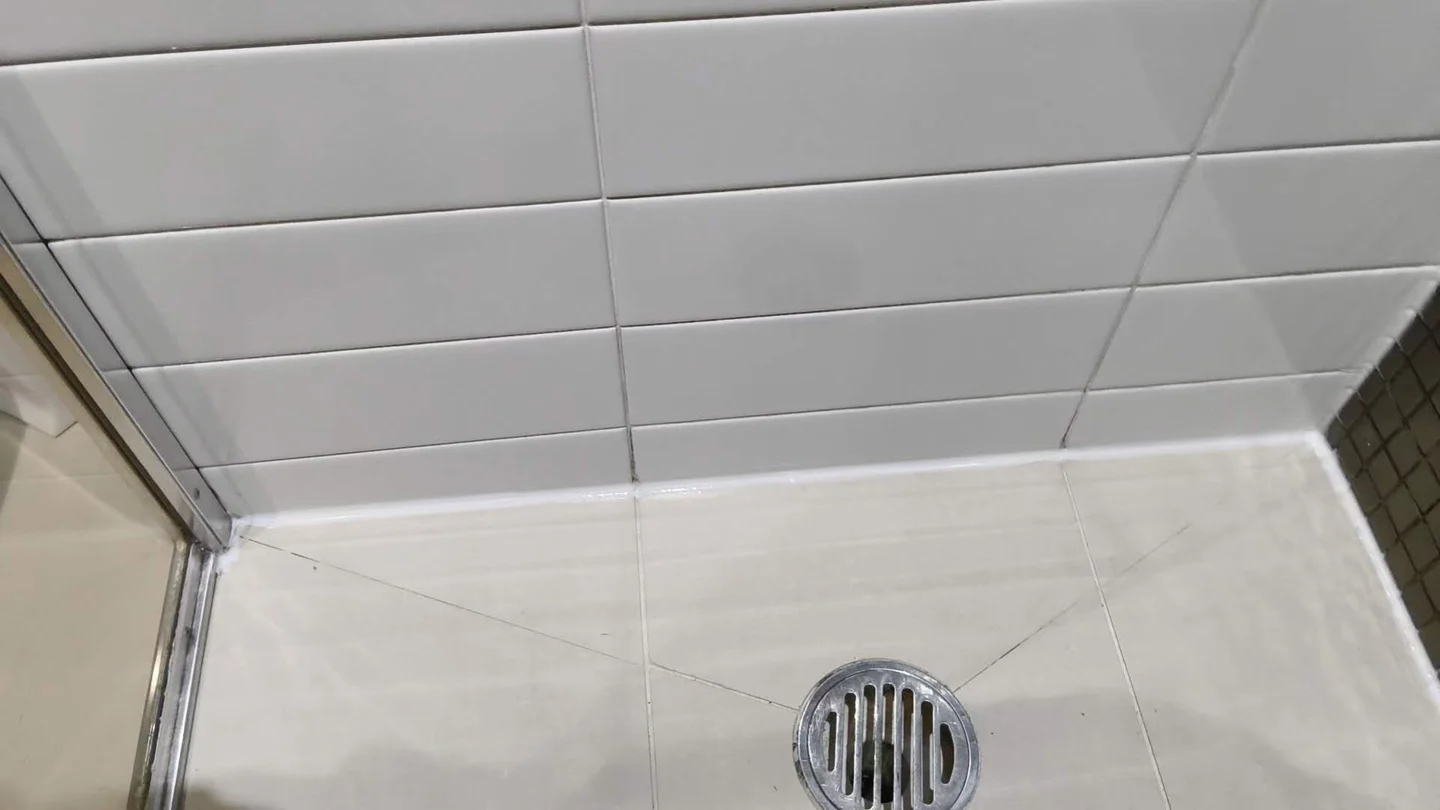
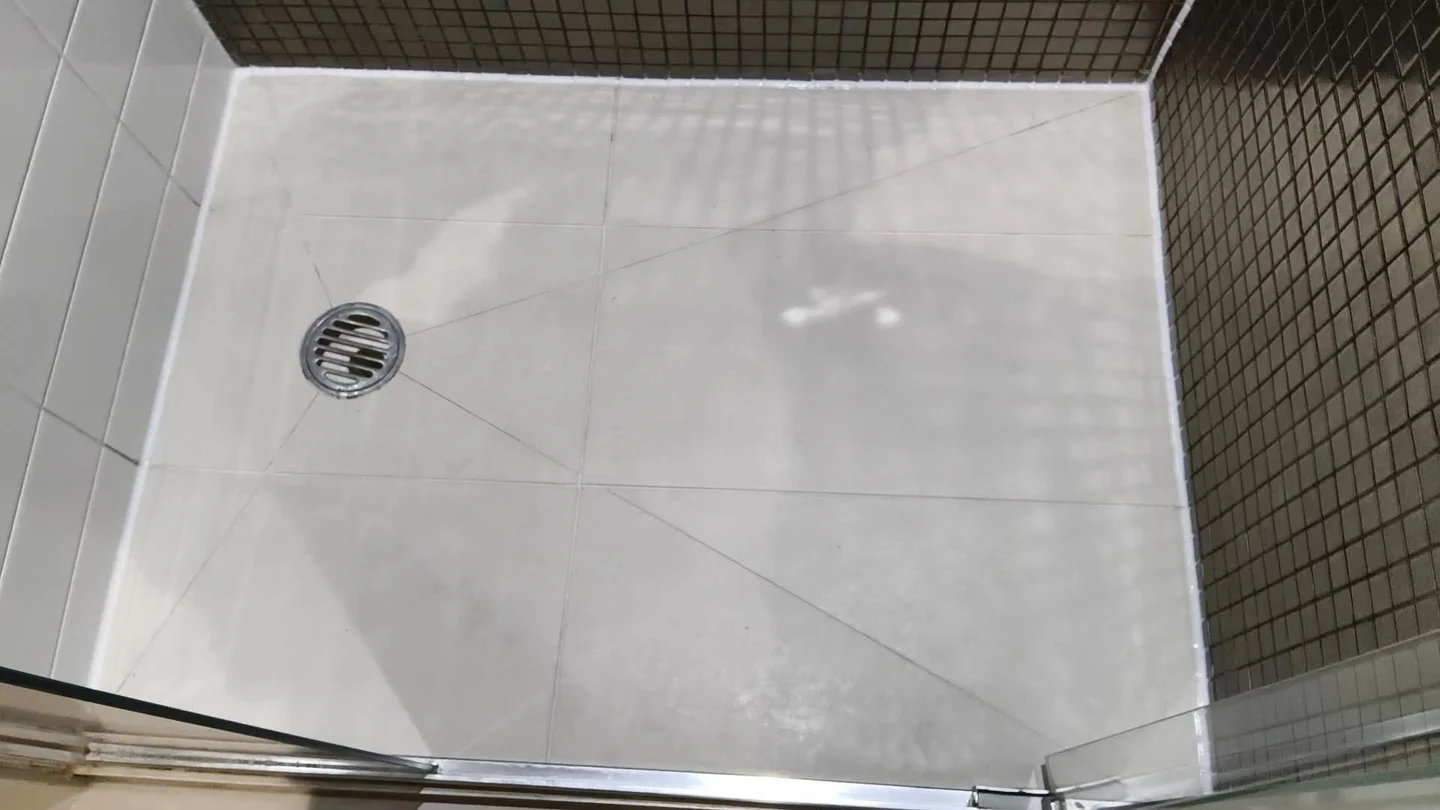
Mouldy, cracked or peeling bathroom silicone affects more than appearance: it can allow water through the joint. Addressing a small gap early can help avoid more extensive repairs later.
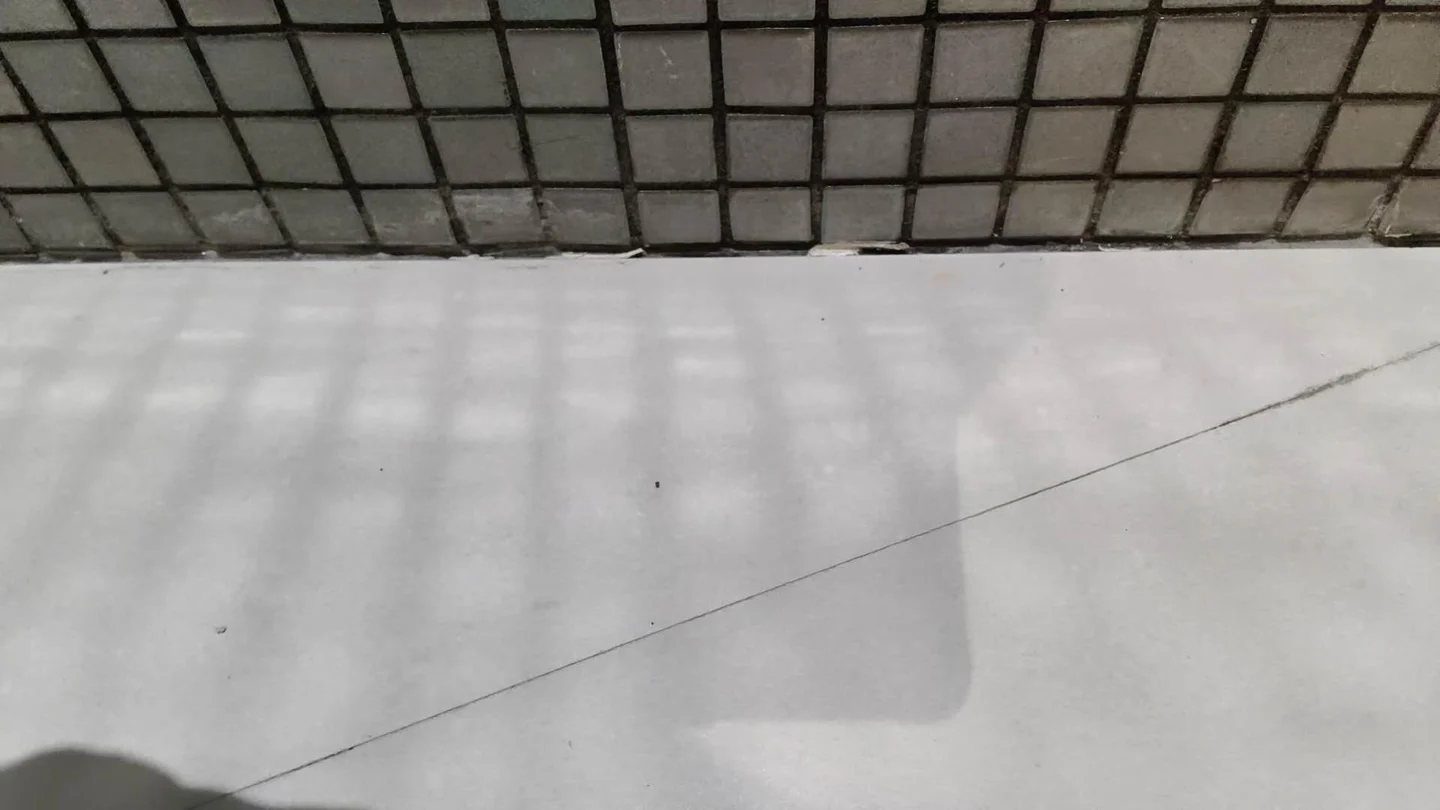
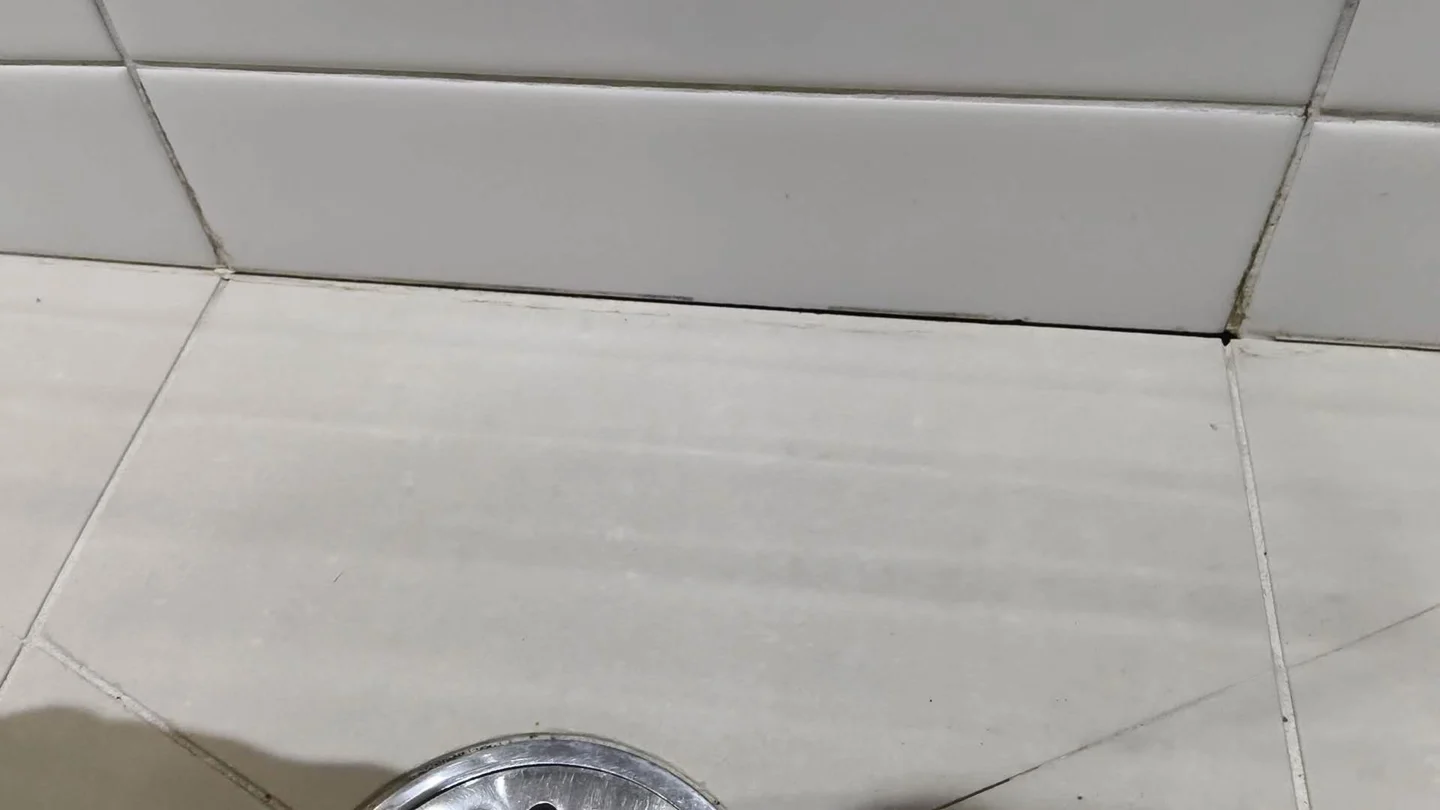 Before renewal
 Before renewal
 After renewal
 After renewal
Silicone renewal addresses surface joints. Persistent leaks, dampness in adjoining rooms or substrate damage need assessment of the water path and waterproofing. Send an overview of the bathroom and close views of the affected joints with your enquiry.
Enquire about bathroom resealingShower joint case
The site photos record the aged wall joint beside the drain, a close view of the junction and the renewed white silicone line.
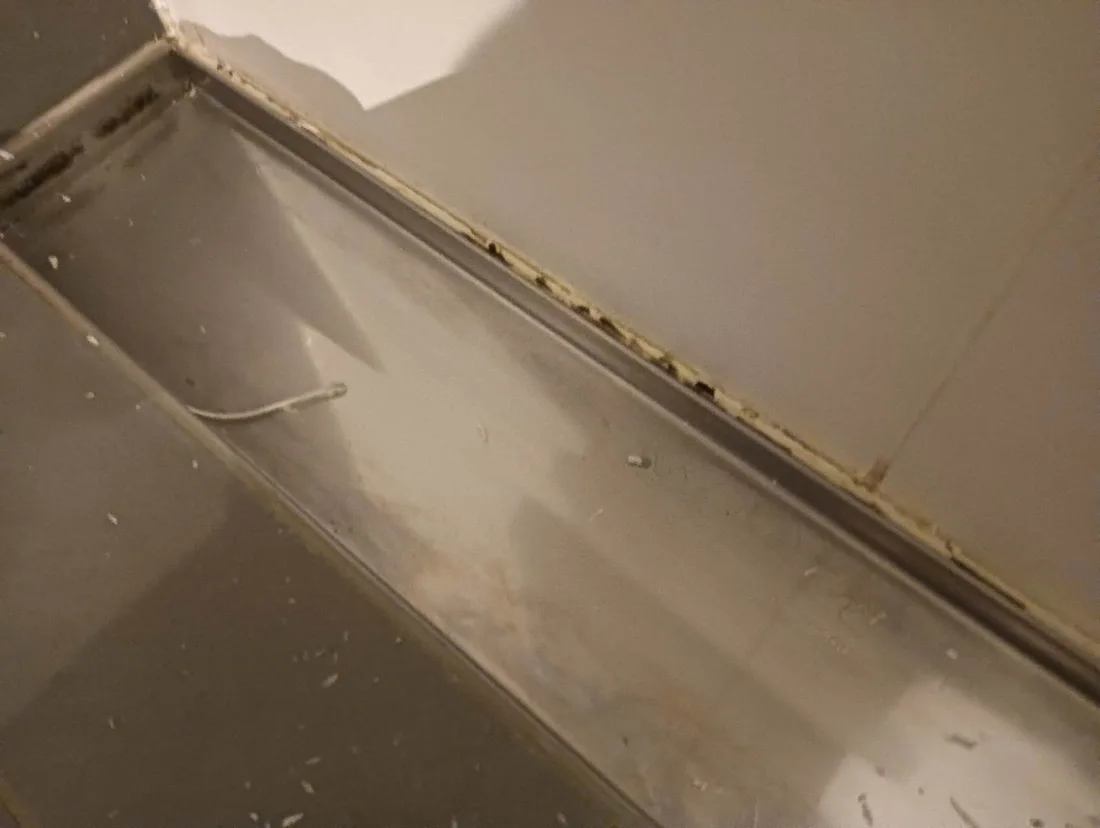 Before renewal
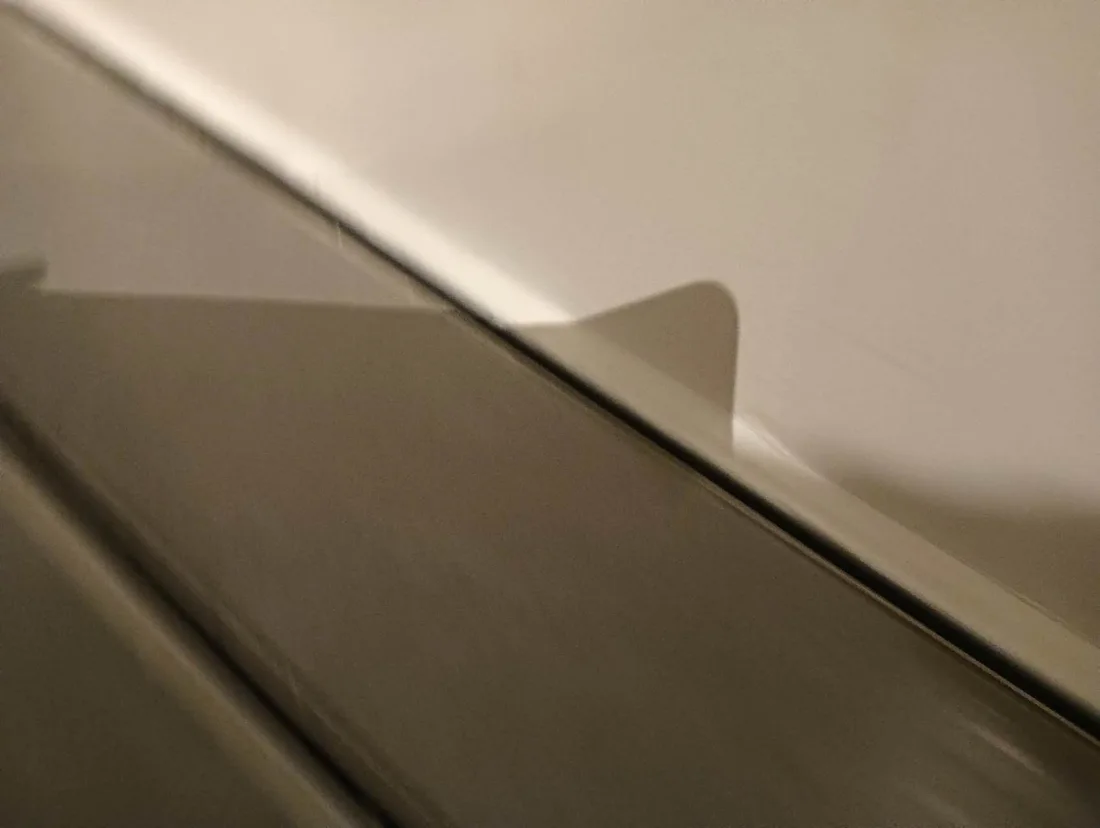 Joint detail
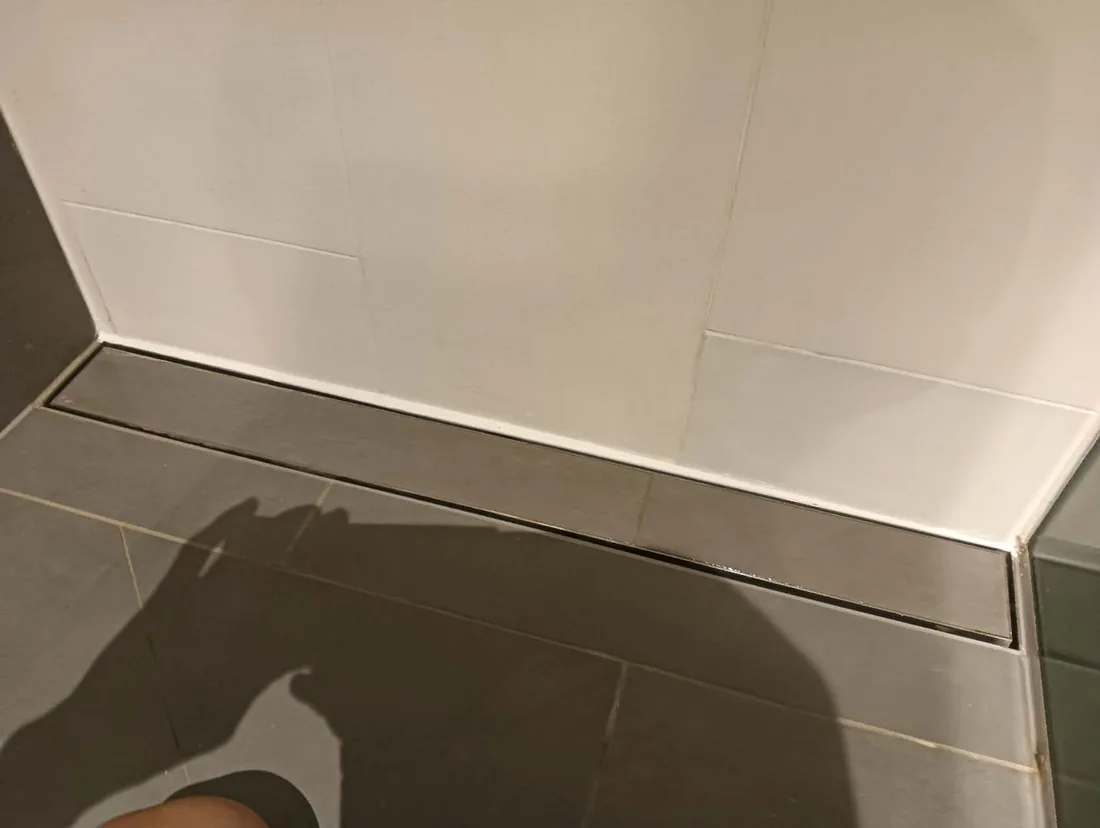 Renewed silicone
This case shows surface-joint work. If water keeps appearing, describe where and when it happens so the assessment can also consider drainage, plumbing or the waterproofing below the finish.
Enquire about shower joint resealingRecorded shower joint check
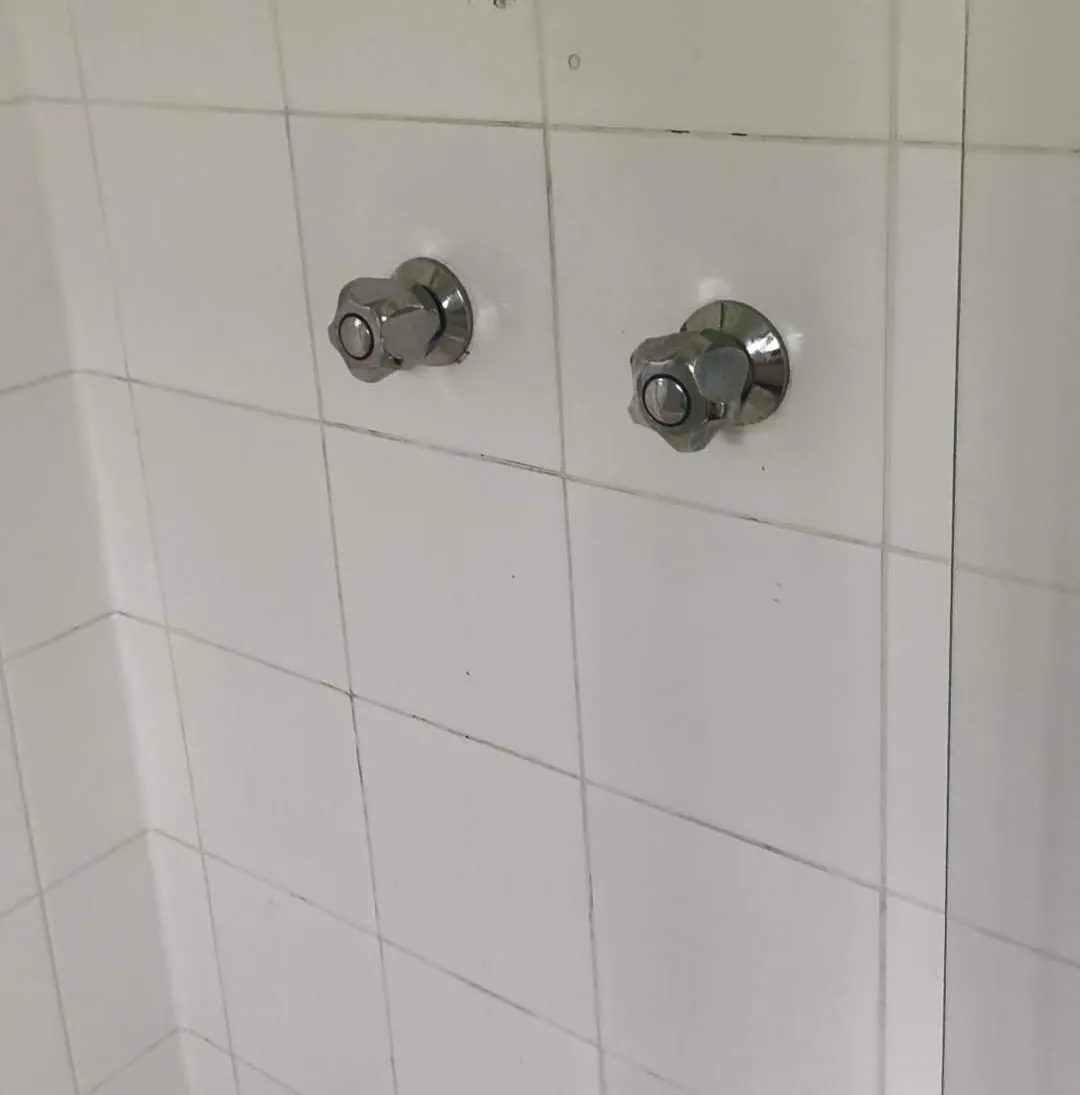
Dark, cracked sealant around the shower tap flanges lets water past the tile face. The edited site video walks the check and the renewed joint. A surface seal is maintenance only — it does not prove the membrane behind the tiles, so any continuing damp is assessed as a separate leak path.
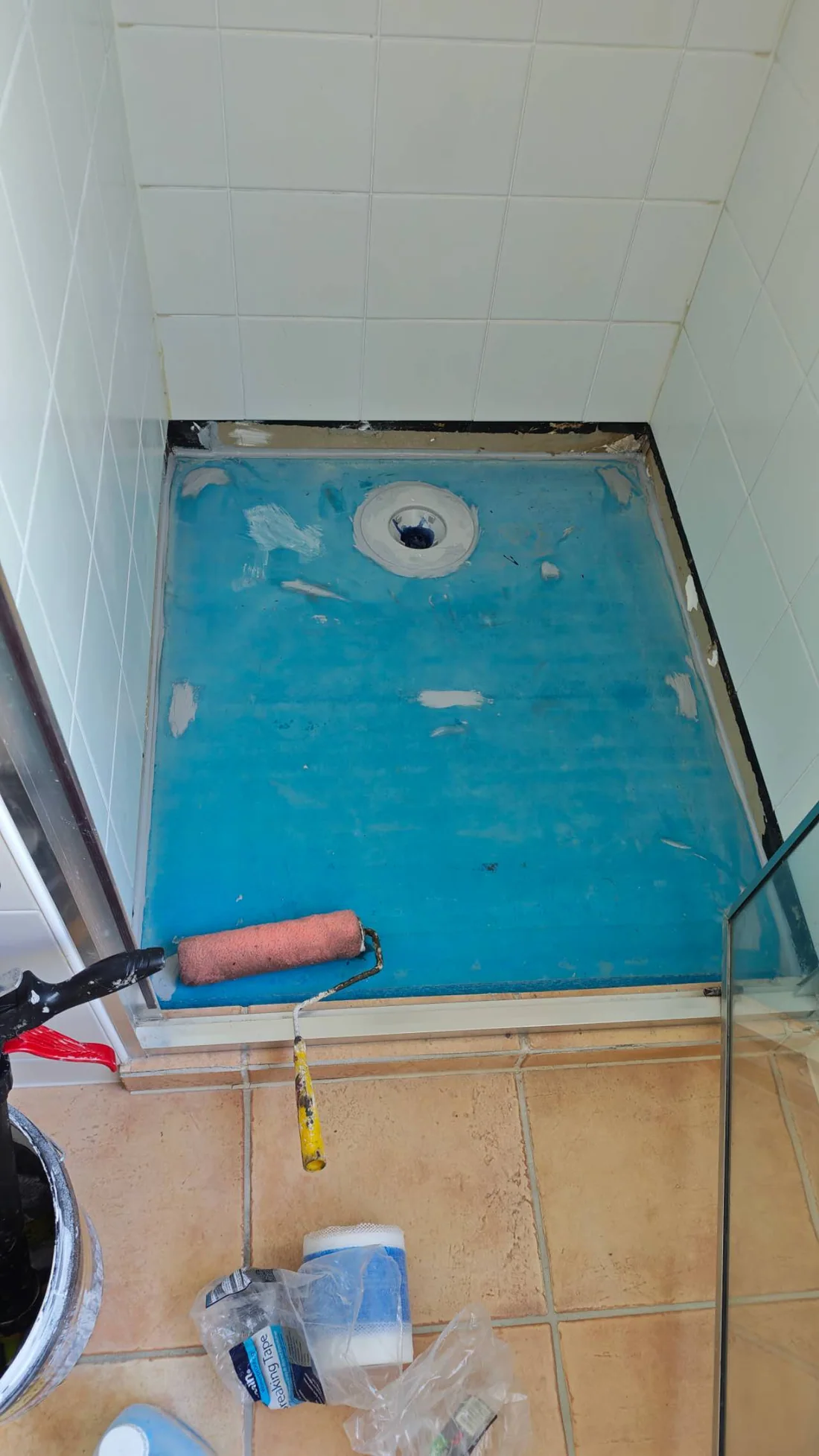
Related construction record · Work in progress
See four construction photos of base-board fitting, the drain opening and preparation around the perimeter. For an enquiry, describe the existing base, drain position and wall junctions so the discussion can consider a local repair or a wider strip-out scope.
View all four construction photos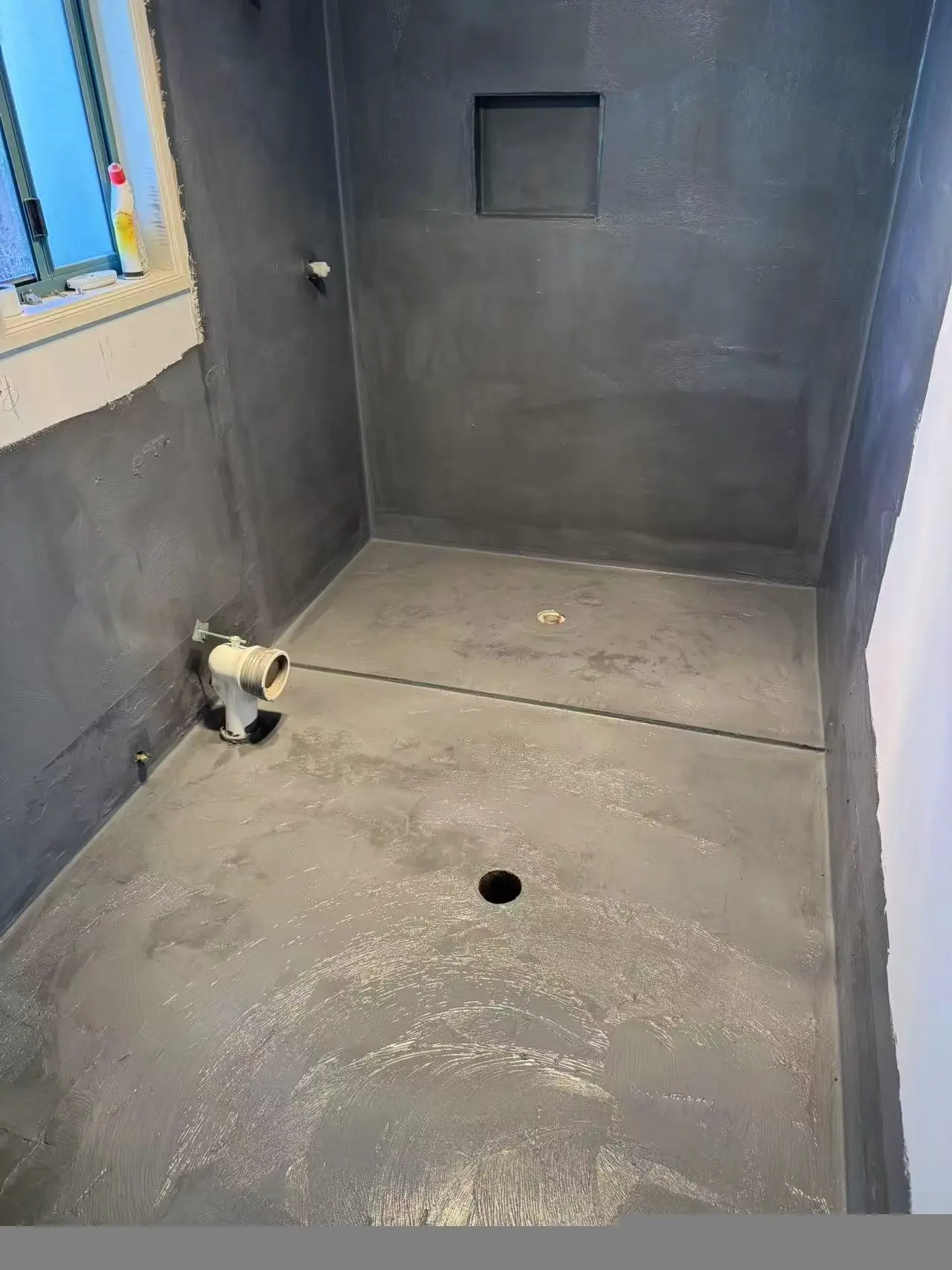
Start with the property
The visible sign can appear away from the original entry point. Include where and when the dampness or water mark appears when you contact the team.
Choosing the scope
Surface joints, tiles, the base, substrate, waterproofing and plumbing can produce similar signs of moisture. An inspection may point to one of several work directions.
Regrouting or renewing silicone may be considered when the problem is limited to an appropriate surface joint. It is not a guaranteed solution for deeper wet-area failure.
Some conditions may require local access to understand the affected area before a repair can be confirmed.
Where the substrate or waterproofing system is affected, a larger bathroom waterproofing and tiling scope may be the more suitable option.
Need to check coverage for the property? View Brisbane service areas →
Enquiry to scope
The goal is to separate the visible damage from the likely cause before proposing work.
Tell us where water or dampness appears, when it started and whether it changes after the shower is used.
Include the shower base, corners, grout, silicone, nearby wall and any damage outside the bathroom.
The visible condition, room layout and site access help determine what needs closer investigation.
The recommended inspection or repair and what the quote covers are explained before work proceeds.
Individual quote
A repair price depends on the source and extent of the problem, not simply the size of the shower.
Related services and proof
FAQ
Yes. Mel One repairs shower screens and shower doors that do not close properly, with the fittings, alignment and seals checked before the repair is agreed. Water escaping at the door needs to be distinguished from a plumbing leak or failed waterproofing below the tiles. Any replacement parts must suit the existing screen. If specialist glazing is needed, we list it separately in the written quote and state who will carry out that work.
Some surface-joint problems may suit targeted work, but a substrate or waterproofing problem can require a larger scope. The site condition needs to be reviewed before that decision is made.
Regrouting may help only when the problem is genuinely limited to the grout or another suitable surface joint. It cannot be guaranteed as a fix before the likely water path is considered.
No. Grout and silicone are visible joints at the tiled surface; the waterproofing membrane sits behind or below the finish. Renewing a surface joint does not repair a failed substrate or membrane, and a shower leak should not be assigned to either layer until the likely water path is assessed.
Visible damage, the location of water marks, shower use, tile and joint condition, the room layout and site access all help guide the proposed work.
We return new enquiries as soon as practical. A reply and an on-site visit are separate arrangements: confirm current availability, service fit and the actual ETA by phone before booking. Weather, access, technician availability and the work required can change the appointment. Call Riley on 0413 650 514 to explain the issue. For continuous flowing water or a suspected plumbing fault, isolate the relevant water supply when safe and contact an appropriate plumbing service.
Include the property suburb, photos of the shower and affected area, when the dampness or water mark appears and any previous repair or renovation information you know.
Not necessarily. We assess the likely leak source, the condition beneath the finish and whether a compatible repair can join the existing waterproofing. A small visible defect can need wider access, while sound areas may be worth retaining. We explain suitable options: a local repair with an agreed colour difference, a larger coordinated tiled area, or a wider wet-area rebuild where the condition calls for it. We also check tile size, thickness and availability, as aged tiles may not match a new product exactly. Before demolition, we set out the waterproofing area, tile removal and replacement, substrate work, screen access and waste removal in the proposed scope. Tell us what is leaking and your suburb. If you already have spare tiles or photos, they can help; leave existing tiles in place for assessment.
The screen may need removing for safe access to the affected floor, wall junction or waterproofing detail. We assess the glass, frame, fixings, seals, dimensions and finished layout before recommending reuse or replacement. We explain removal, storage, refitting, replacement seals or hardware in the written scope. If specialist glazing is needed, we list it separately in the written quote and state who will carry out that work. If inspection or removal shows that replacement is needed, we discuss the finding and cost for your approval before an order is placed. Tell us if this is your only shower so we can discuss the sequence and disruption. We also explain when the repaired area can be used after the relevant materials have cured and the required checks are complete.
Not sure where the water is getting in? Call for a free quote—we’ll help you work out the right repair.