Wet-area waterproofing enquiries for showers, floors, hobs and penetrations, with the site scope confirmed first. Bathrooms, ensuites and laundries also need the substrate, floor waste, wall-to-floor junctions, thresholds and final finish considered.
Exterior waterproofing and tiling enquiries for balconies and decks, with drainage, falls and surface condition reviewed for the site. For a full renewal, discuss stripping the tiles, preparing the base, falls and threshold details, waterproofing, retiling, grouting and edge finishing, with demolition, waste, supply and reinstatement itemised.
Assessment of visible conditions and likely water paths before a suitable repair scope is proposed. A full shower rebuild can include tile removal, substrate work, waterproofing, retiling, grouting and edges when agreed; an uncertain leak is investigated first rather than assumed to be membrane failure.
Bathroom wall, floor, shower and niche tiling planned around the wet-area stage and room layout. Installation on a prepared base with materials ready differs from stripping tiles, repairing the base and renewing waterproofing. Specify wall or floor tiles, who supplies them, the waste and falls, demolition, rubbish and edge finishing.
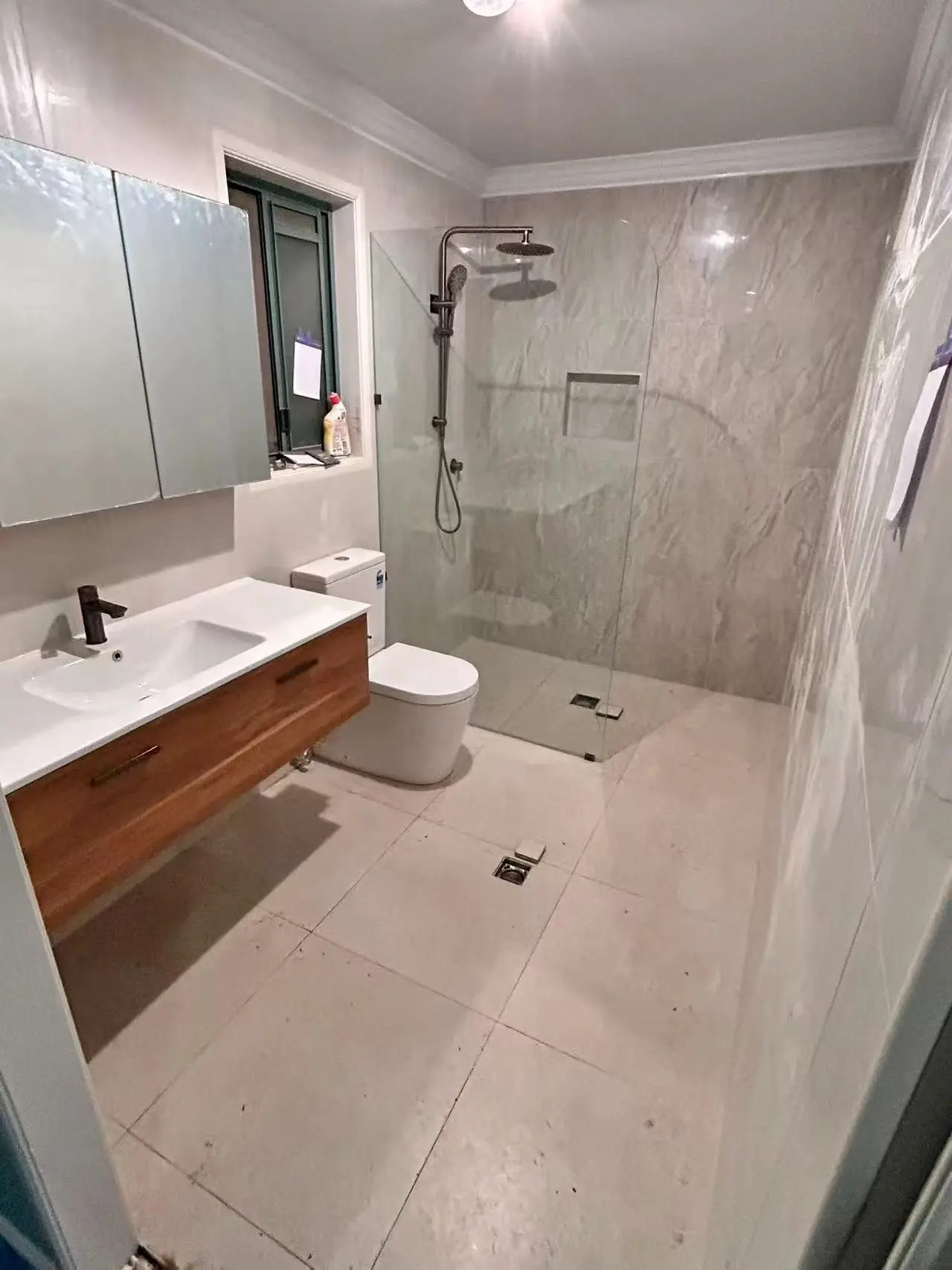
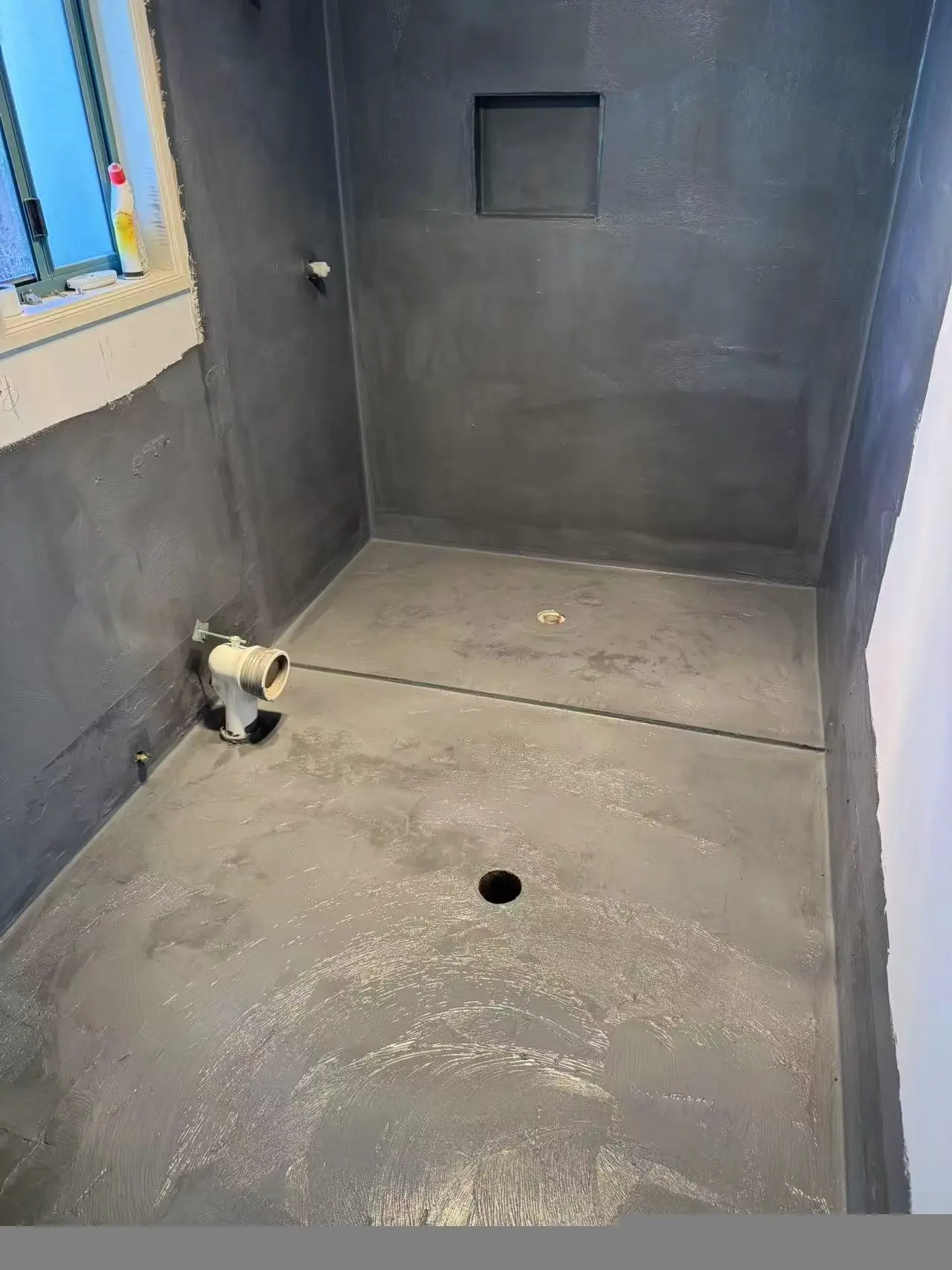
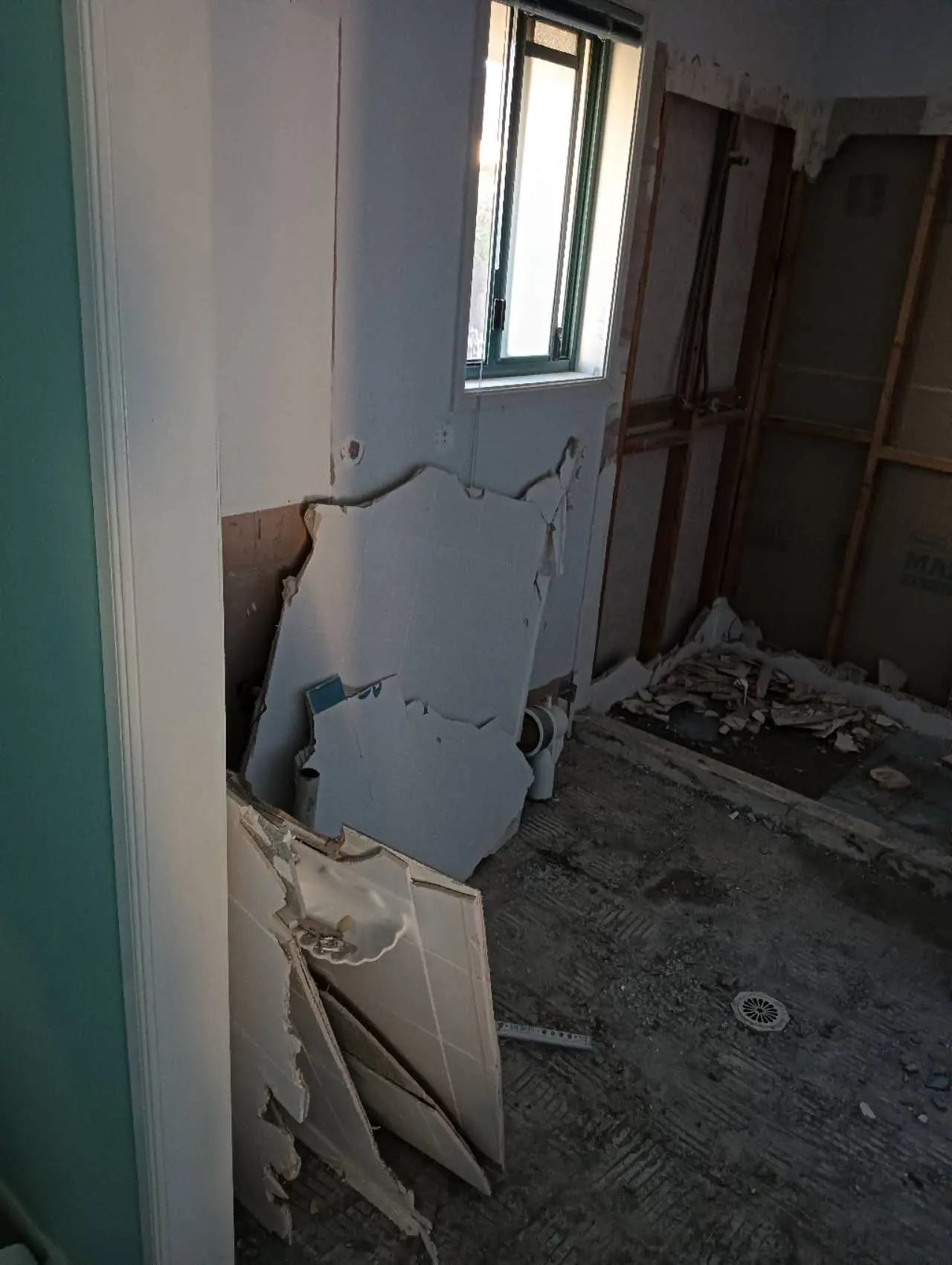
See real project photos documenting substrate preparation, bathroom waterproofing, large-format tiling, fixture fit-out and the completed room. The sequence helps explain what sits behind the final finish.
Six visible stages from demolition through completion
Descriptive photos of the membrane and tiling process
Water can travel beyond the visible damage. A useful scope starts with the wet area, likely water path, surfaces, access and the finish you need. Describe recurring dampness; cracked or loose tiles, grout, silicone, joints or thresholds; and swelling, mould or odours on walls, ceilings, door frames or adjoining rooms. Balcony falls, outlets, perimeter edges and thresholds may affect rainwater entry. The substrate, membrane, plumbing and trade responsibilities need to be distinguished.
The existing condition and requested outcome are reviewed before the work is confirmed.
Clear options
The proposed inspection or repair is explained so customers can understand what the quote covers.
Connected construction stages
Waterproofing and tiling can be discussed together when the project needs both.
Workmanship warranty
Eligible waterproofing workmanship carries a 10-year workmanship warranty under the agreed written scope and terms.
Our process
From site review to a written scope.
01
Tell us about the job
Share the suburb, area, visible issue and the result you need. Include where and when water appears, the intended use and clear photos. Shops, offices and other commercial properties can also enquire; explain who approves the work and when access is available.
02
Review the site
The surfaces, access, wet-area layout and likely work sequence are considered. Drainage, joints, thresholds, tiles, substrate, weather exposure and adjoining areas help guide investigation.
03
Confirm the work sequence
Waterproofing, tiling and fit-out steps are coordinated for the agreed scope. Confirm demolition, substrate preparation, drying, repairs and edges, and identify plumbing or other regulated work separately. Size, existing finishes, affected materials, access, weather exposure, related trades and reinstatement influence the quote.
04
Confirm the outcome
The completed area and any relevant care information are reviewed at handover.
Share the suburb, the affected area and what you can see. Add useful project details in the online quote request.
Describe the issue
First enquiry
The existing surfaces, likely water path, access and wider renovation scope are considered before work is proposed.
Review the property
Scope stage
You receive an explanation of the recommended inspection or repair and what the quote is intended to cover.
Understand the option
Before proceeding
FAQ
Straight answers.
What types of waterproofing work can I enquire about?+
You can enquire about bathrooms, ensuites, laundries, balconies, decks and leaking wet areas. The appropriate scope depends on the surface condition, access and likely water path. Drainage, joints, thresholds and weather exposure differ between these areas and must be considered separately.
Can waterproofing and tiling be discussed together?+
Yes. Tell us whether you need waterproofing only, tiling only or a combined scope so the work sequence and site requirements can be considered together. The quote separates substrate preparation, waterproofing, drying, wall and floor tiles, edge finishing and any related trades.
Can a leaking shower be assessed without committing to a full renovation?+
Yes. Describe where the water marks appear and when they change. An inspection can establish whether a local shower repair is possible or the wet area needs broader rebuilding; asking for an assessment does not commit you to renovation work.
Which Brisbane areas do you service?+
We accept Greater Brisbane waterproofing and tiling enquiries. Include your suburb so we can confirm availability for the property.
How do I request a quote?+
Call 0413 650 514 or use the online contact form. Include the suburb, type of area and a short description of the issue.
How are response and site-attendance times confirmed?+
The team aims to return new phone and form enquiries as soon as practical. For suitable Greater Brisbane locations and urgent water-entry situations, attendance in about one hour may sometimes be possible. The ETA is confirmed by phone and depends on technician availability, traffic, safe access and site conditions.
Who carries out the waterproofing and tiling?+
Mel One undertakes and completes the agreed waterproofing and tiling work. Regulated waterproofing is carried out by the appropriately licensed trade, with preparation, membrane stages, tiling and finishing planned together for the wet area.
Request a Brisbane waterproofing or tiling quote.
Not sure where the water is getting in? Call for a free quote—we’ll help you work out the right repair.